OCTOBER 2026
Beyond Training: Why Nutrition Matters for Rural Athletes
OCTOBER 2026
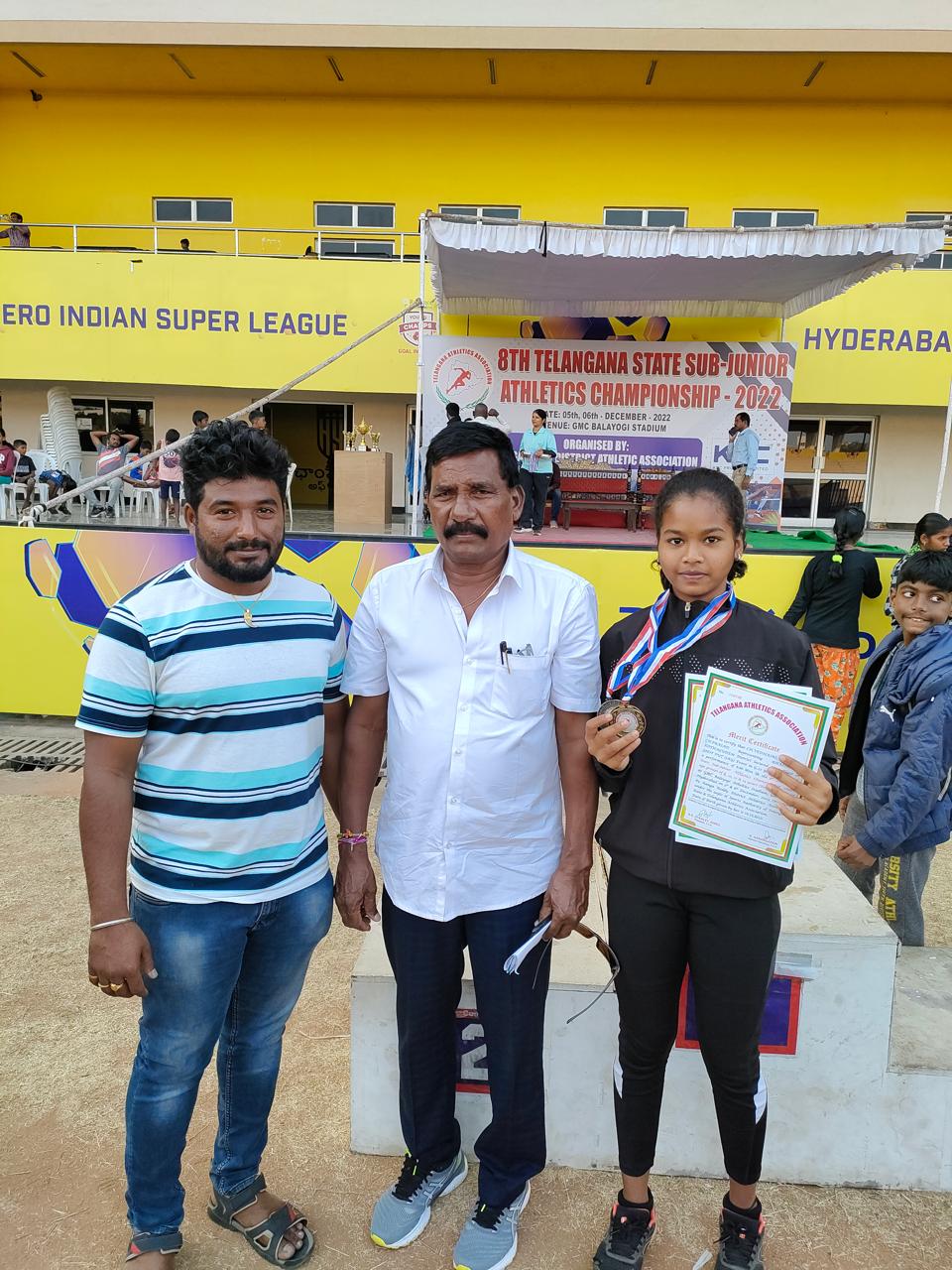
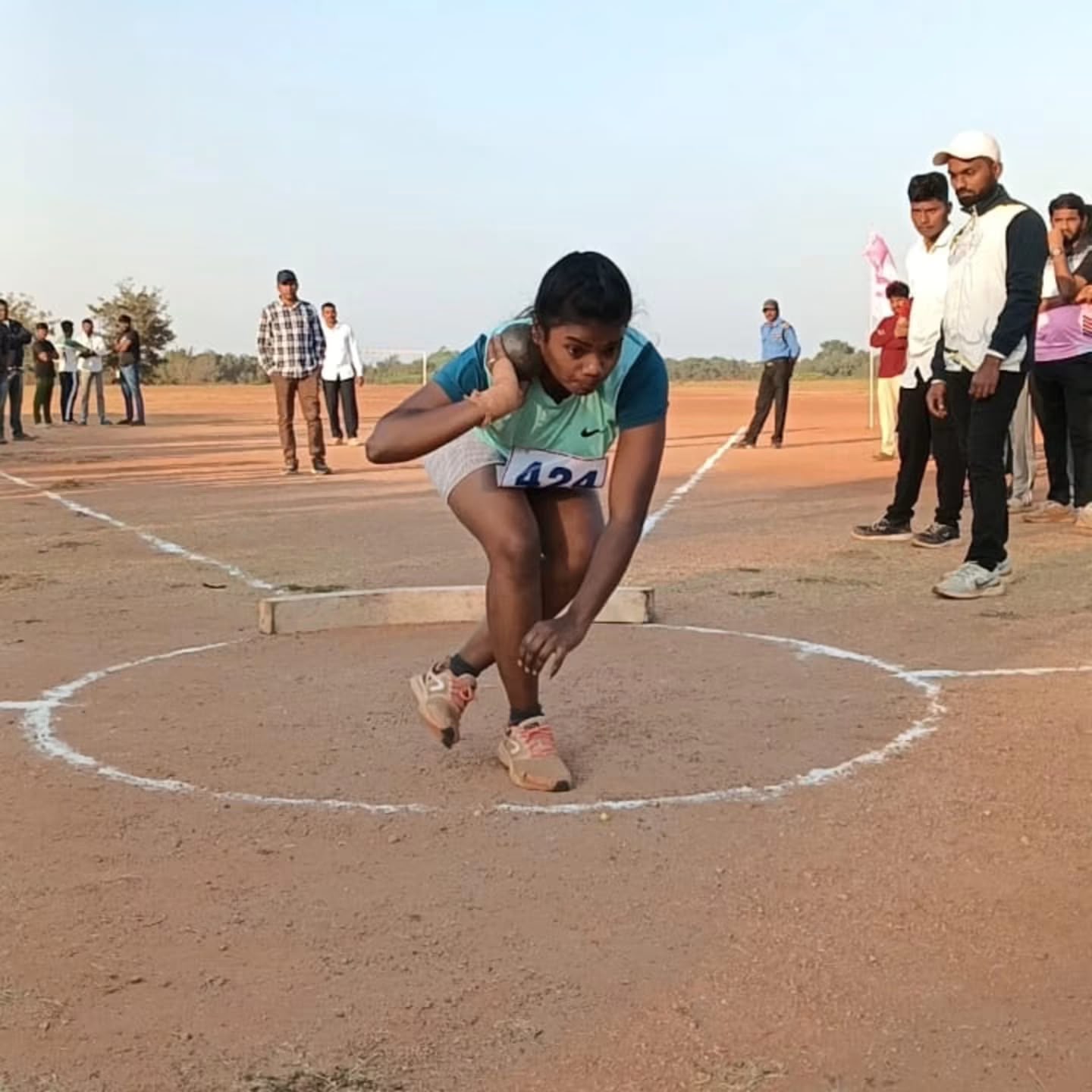
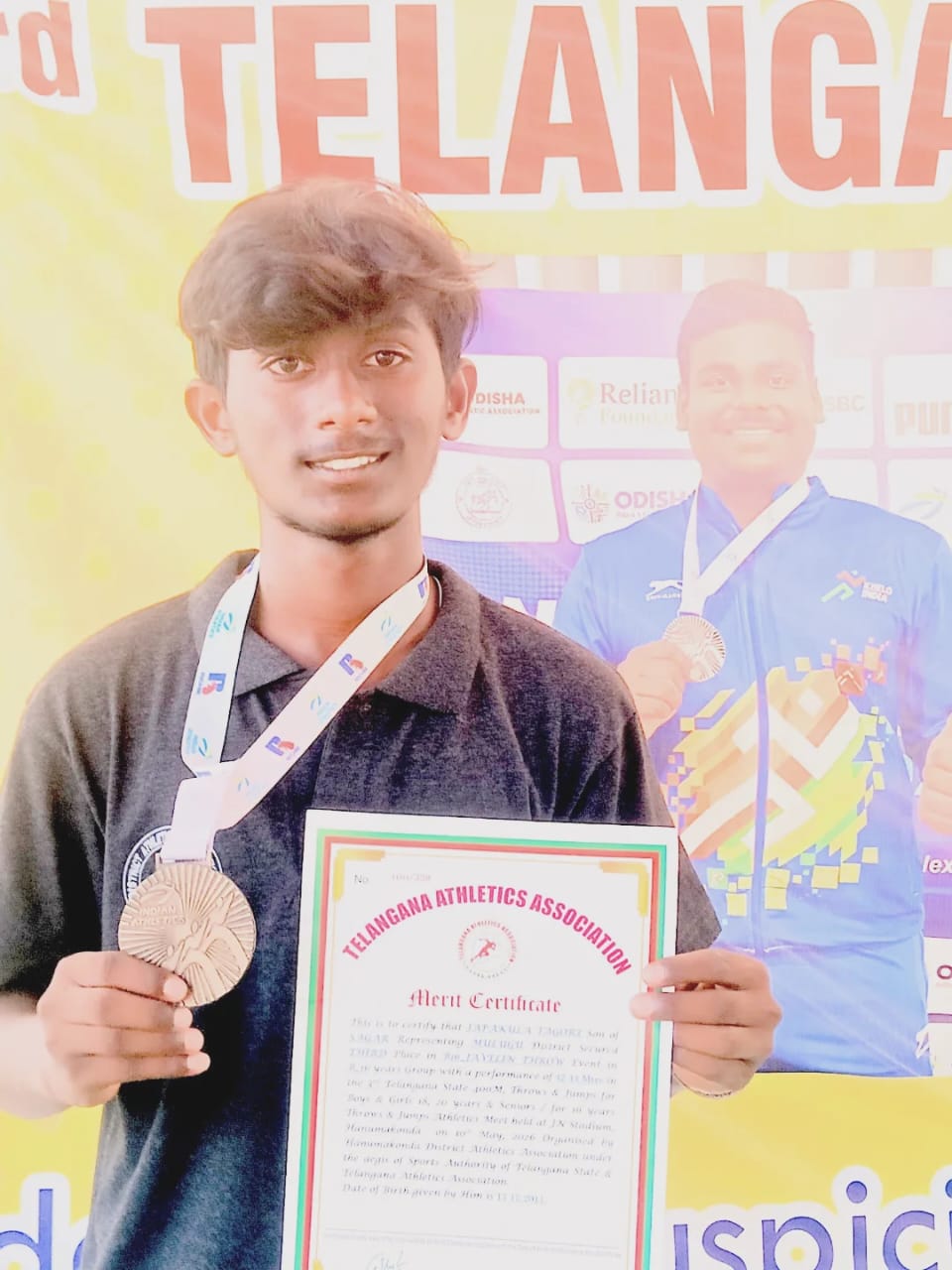
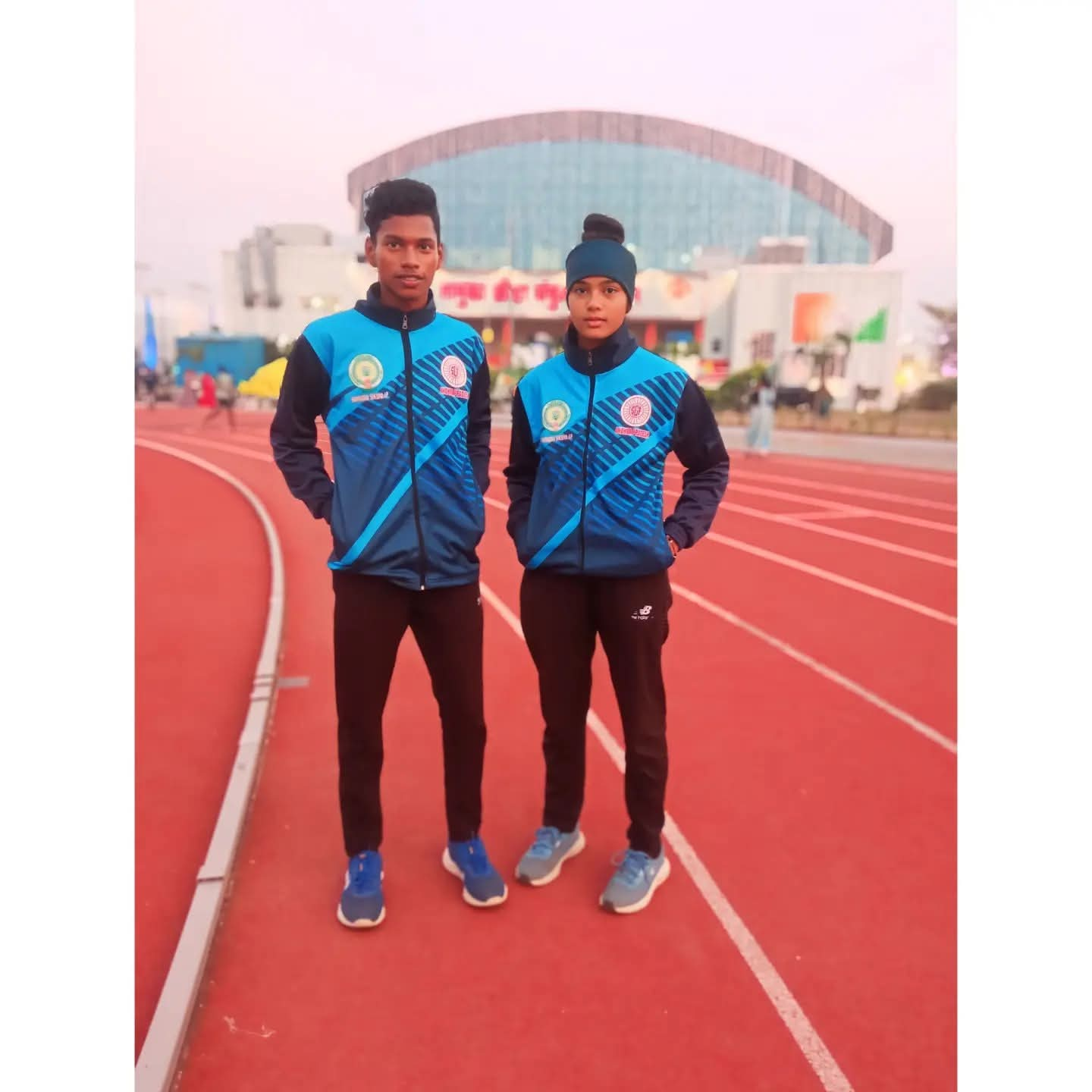
A young athlete runs across a village ground, determined to improve their speed. Another practises long jump repeatedly, hoping to achieve a personal best. Their coaches guide them, their families encourage them, and their dreams push them forward. But behind every training session lies one essential question: Are these athletes getting the nutrition their growing bodies need?
For rural athletes, pursuing sports can involve challenges that extend beyond training facilities and equipment. Access to balanced meals, suitable recovery routines, and reliable nutrition guidance can also influence their ability to train consistently and develop their potential.
At Palle Palle Ku Aata (PPA) , supporting grassroots sports means recognizing that an athlete's journey involves more than what happens on the playing field. Nutrition awareness and access to appropriate food are important parts of creating an environment where rural sporting talent can grow.
Training challenges the body. Nutrition helps the body meet those demands.
Athletes need adequate energy to run, jump, throw, practise techniques, and participate in competitions. They also need nutrients that support muscle function, bone development, recovery, and overall health.
When young athletes do not consume enough food or have limited dietary variety, they may struggle to meet the physical demands of regular training. Persistent tiredness, slower recovery, and difficulty maintaining concentration can affect their training experience.
Three nutritional foundations are particularly important:
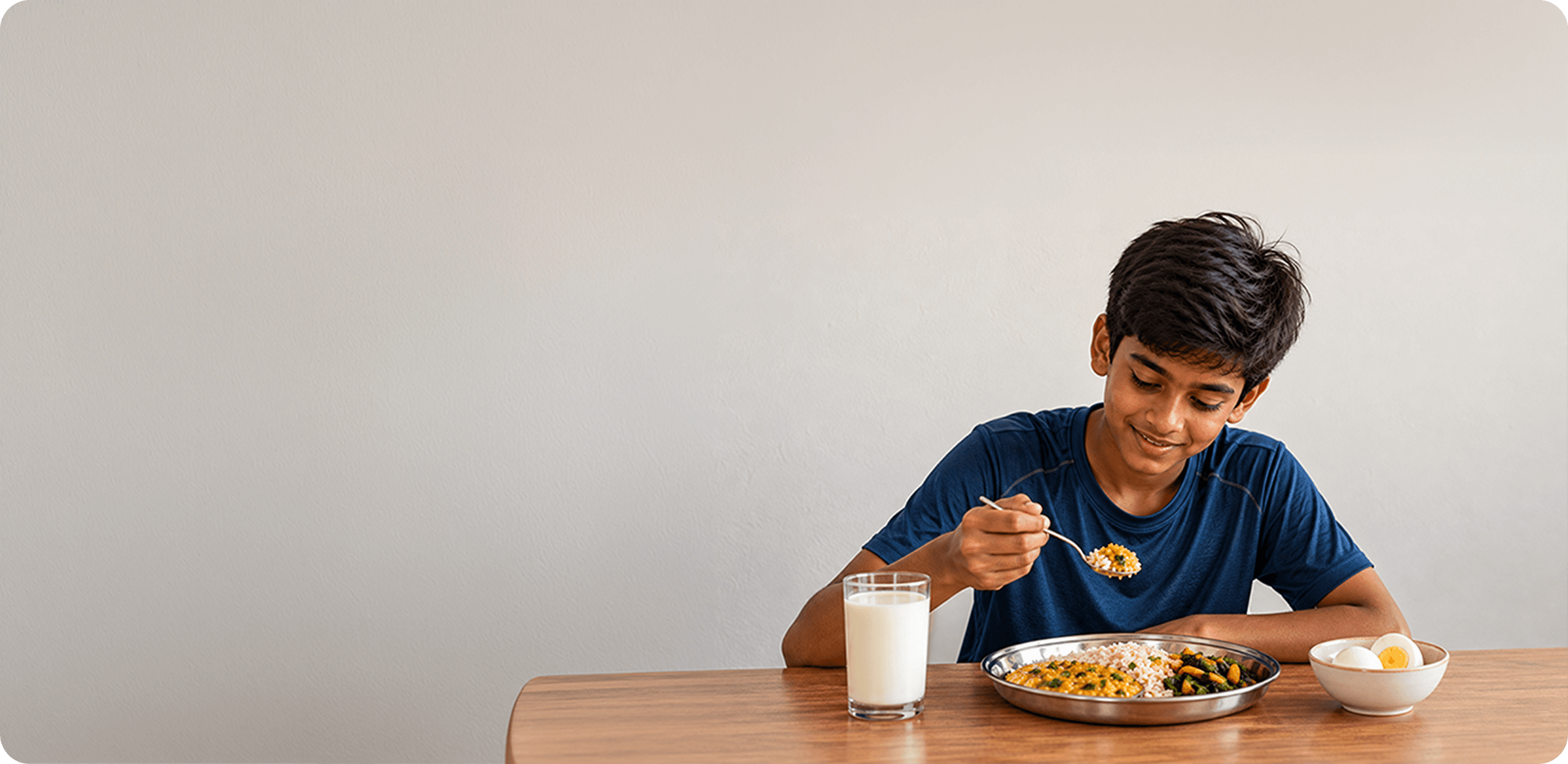
• Energy: Carbohydrates from foods such as rice, millets, potatoes, and other grains help fuel physical activity. • Growth and recovery: Protein from lentils, beans, dairy products, eggs, and other suitable sources supports muscle repair and development. • Overall health: Fruits, vegetables, healthy fats, and adequate fluids contribute vitamins, minerals, hydration, and other essential nutrients.
The right approach depends on an athlete's age, activity level, health, and individual needs. There is no single diet that works for every sportsperson.
Across rural communities in India, young people demonstrate sporting ability through local competitions, school events, and regular practice. However, identifying talent is only the beginning.
Some athletes face practical barriers that make consistent nutrition difficult. Household food budgets may be limited, families may not receive reliable sports nutrition guidance, and access to professional sports dietitians may be scarce.
For athletes who travel to competitions or spend long hours at training centres, arranging suitable meals and snacks can become another challenge.
These circumstances should not define a young athlete's future.
Nutrition support does not always require expensive supplements or specialized products. In many situations, greater awareness of affordable local foods, balanced meal planning, and regular hydration can provide a useful starting point.
The opportunity lies in making practical nutrition knowledge and appropriate food support more accessible to athletes who need it.
A common misconception is that athletic nutrition depends on costly protein powders, imported health foods, or specialized sports products. In reality, many everyday Indian foods can contribute to a balanced diet.
Grains and millets: Rice, ragi, and jowar provide energy for physical activity.
Pulses and legumes: Dal, chickpeas, and beans supply protein and other nutrients.
Dairy and alternatives: Milk, curd, and suitable fortified alternatives contribute protein and calcium.
Fruits and vegetables: Bananas, seasonal fruits, and leafy greens provide vitamins, minerals, and fibre.
Nuts and seeds: Groundnuts and sesame seeds supply energy, healthy fats, and other nutrients.
The aim is not to prescribe the same meal plan for every athlete. Instead, familiar foods can contribute to a balanced eating pattern based on local availability, affordability, and individual requirements.
For grassroots sports programs, practical nutrition awareness can help athletes and families make informed choices without adding unnecessary financial pressure.
An athlete's development is not measured by training hours alone. Rest, recovery, hydration, and consistent nourishment also matter.
After demanding sessions, the body needs time and resources to recover. Suitable meals, fluids, and sufficient sleep help athletes prepare for subsequent training. Young athletes also need adequate nutrition to support normal growth and development alongside their sporting commitments.
Consider an athlete preparing for a district-level athletics competition. Daily practice may improve technique and confidence, but preparation also involves eating adequately, staying hydrated, resting between sessions, and following guidance from coaches and qualified health professionals.
Nutrition should therefore be treated as part of a wider athlete-support system rather than an isolated activity.
For rural training centres, integrating basic nutrition awareness into regular coaching can help athletes understand how everyday habits contribute to their long-term development.
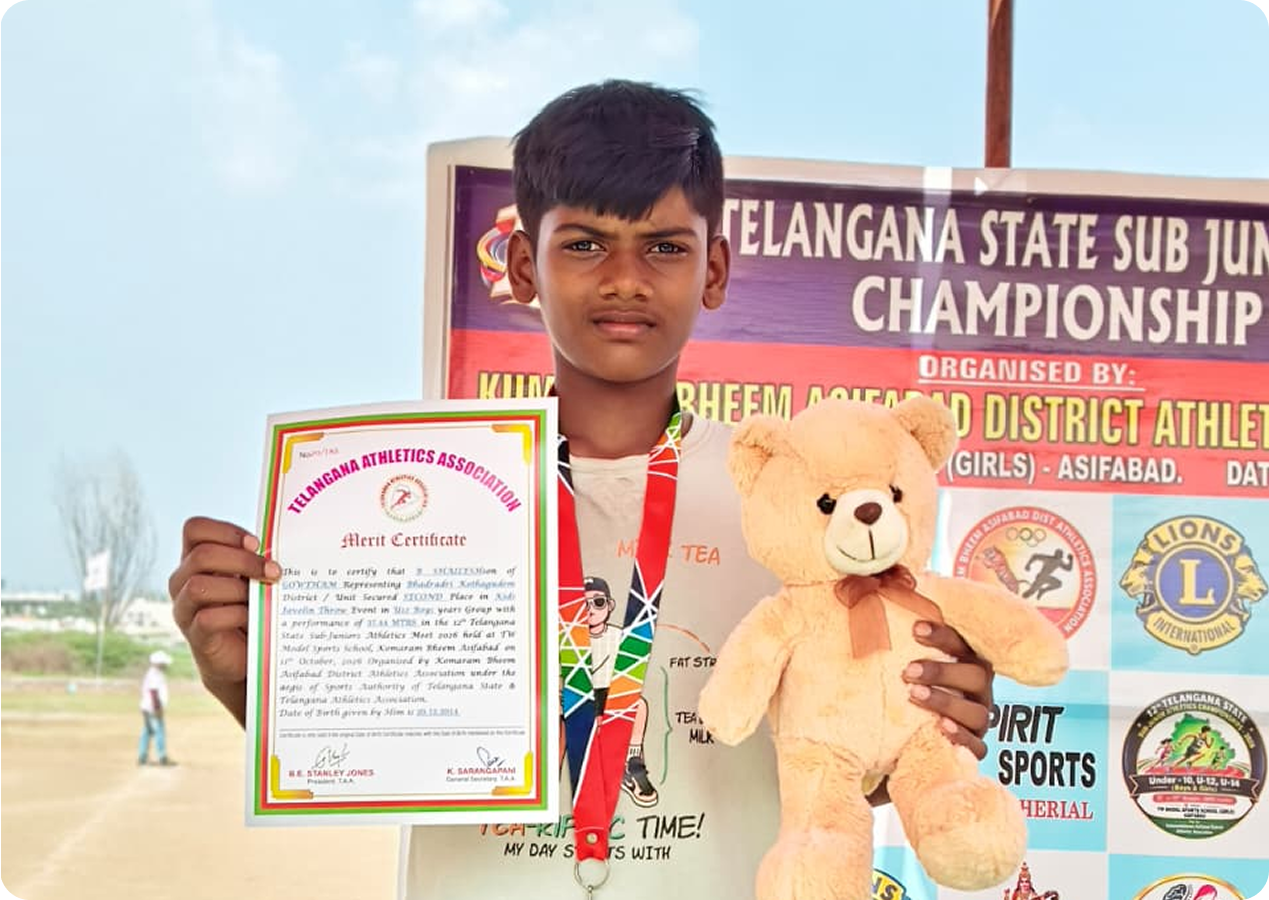
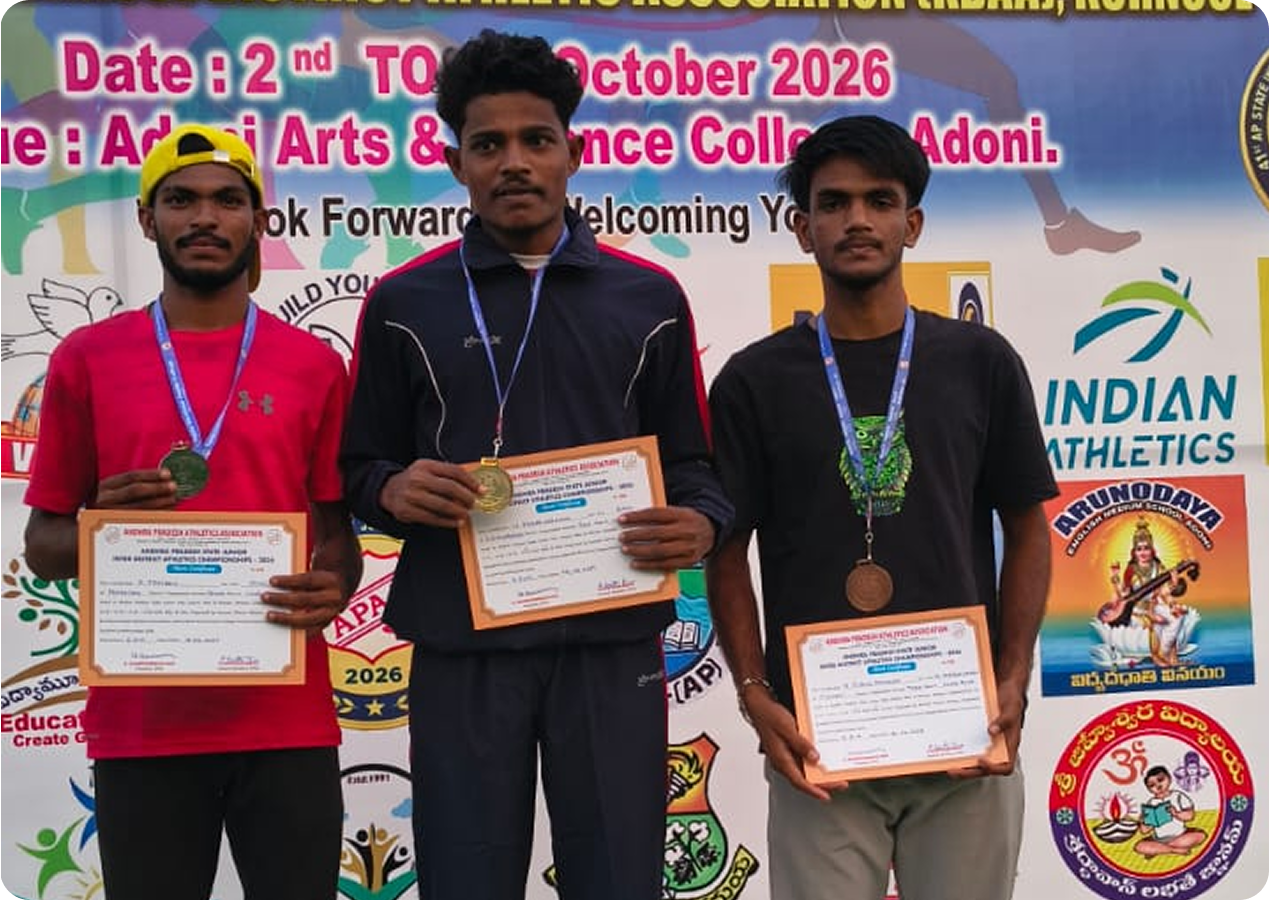
Palle Palle Ku Aata (PPA) works to expand sporting opportunities for athletes from rural and underserved communities. Through grassroots training initiatives, coaching support, and opportunities to participate in competitions, the organization aims to help young sporting talent progress.
Nutrition is an important part of this wider mission.
Support for grassroots athletes can help address practical needs such as:
• Access to suitable nutrition and food support during training programs. • Sports equipment required for regular practice. • Coaching and guidance that encourage consistent skill development. • Opportunities to participate in local, district, state, and other relevant competitions. • Greater awareness among athletes and families about hydration, balanced meals, and recovery.
The specific needs differ across training centres and age groups. Understanding those needs helps direct donations toward meaningful, practical support.
When individuals, community groups, and corporate partners contribute to grassroots sports initiatives, they can help strengthen the environment in which rural athletes train and develop.
Behind every promising athlete is a journey that requires time, commitment, and access to resources. For some, the next step may be better training equipment. For others, consistent nutrition support or the opportunity to compete beyond their village may be equally important.
Donations can help grassroots organizations respond to these needs. Contributions toward appropriate food support, equipment, coaching, and competition access can help create more supportive training environments.
For businesses, supporting grassroots athletics can also be an opportunity to contribute to community development through suitable CSR initiatives, subject to applicable eligibility requirements and regulations.
The most meaningful support begins by understanding what athletes actually need and directing resources accordingly. Transparent communication about how donations are used can further strengthen trust between organizations and their supporters.
At Palle Palle Ku Aata , the broader goal is to help rural athletes access opportunities that allow their dedication and abilities to develop.
Talent may begin in a small village, but its potential should not be limited by a lack of opportunity.
Consistent training, balanced nutrition, appropriate recovery, supportive coaching, and access to competitions work together to help athletes progress. Addressing these needs can make grassroots sports more accessible to young people who are determined to pursue their dreams.
Nutrition is more than a meal between training sessions. It is an important part of supporting the athlete behind every performance.
Palle Palle Ku Aata invites individuals, organizations, and potential CSR partners to support grassroots sports development and help address the essential needs of rural athletes.
Join Palle Palle Ku Aata in creating more opportunities for rural sporting talent.
Support Rural Sporting Talent with Palle Palle Ku Aata
Privacy Policy | Terms & Conditions
© 2026 Palle Palleku Aata. All Rights Reserved.